Eugene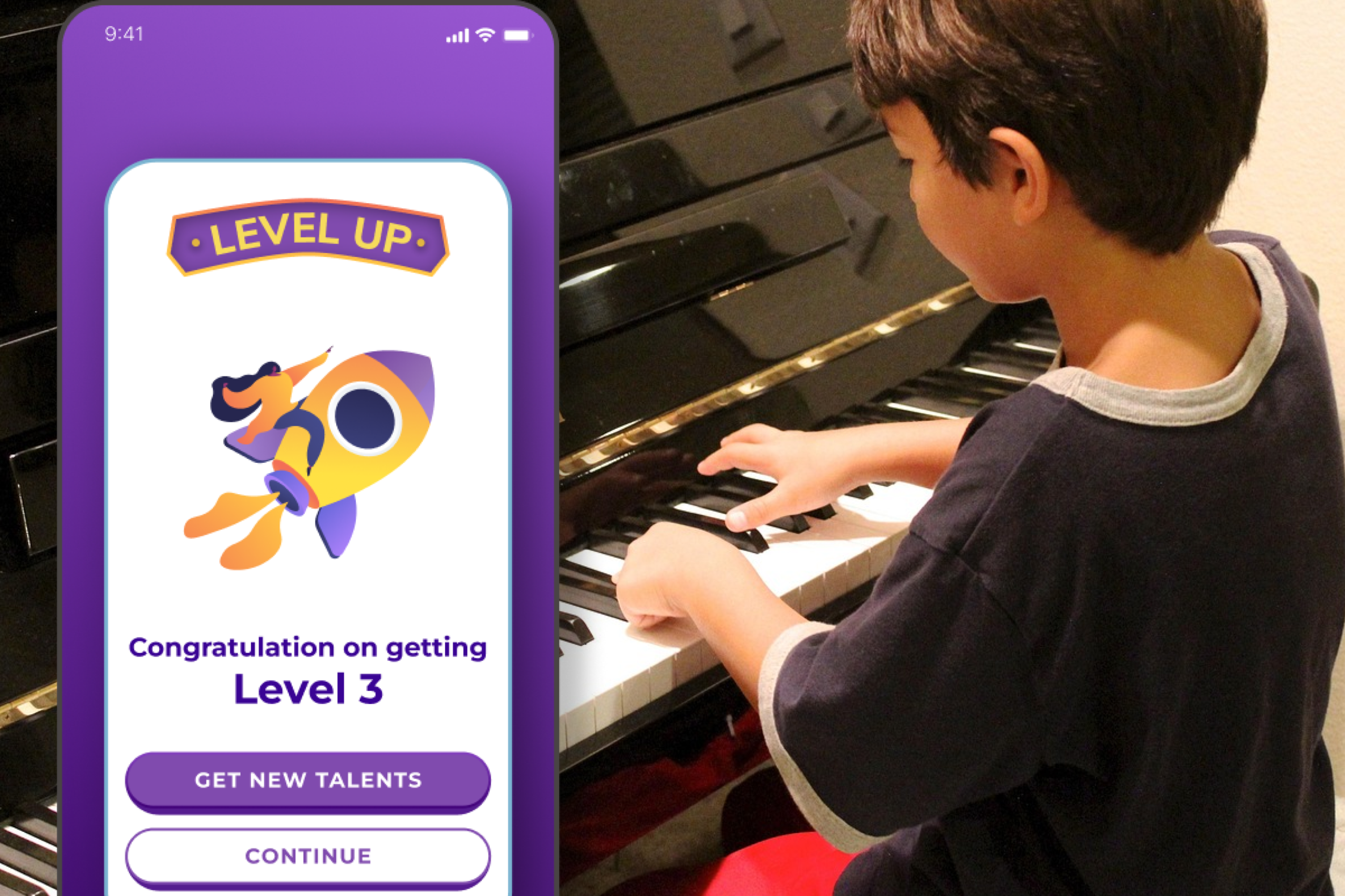
Why Music Is Abandoned In Childhood And How It Influences Adult Perception Of Art
Music in childhood is often viewed through the prism of obligations and onerous exercises. “Lessons” is just that word with routine and the need to achieve high results for many, which quickly tires. Therefore, musical instruments are simply “abandoned” by many children — not because of the absence of interest, but just because of tension caused by excessive demands. Enthusiasm is lost eventually, along with confidence in one’s abilities and a desire to continue. This is where relearning music for adult learners becomes relevant — the Talented app offers guided lessons and community support to make returning easier.
Consequences of this also appear in adulthood. For the majority, music becomes either a distant, incomprehensible field or a completely alien kind of art, where one is expected to “be a genius or have natural talent.” Internal resistance and fear of trying, even with strong desire, get generated by such stereotype.
Factors, because of which children abandon music, we summarize:
- Excessive pedagogical pressure
- Lack of playful, engaging forms of learning
- The fear of mistakes and comparison with others
- Lack of support and comprehension from adults
A perception of immediate results, which is impossible without time and patience.
How To Overcome Fear And Uncertainty When Returning To Musical Education
A difficult task returning to the world of music after a long break is. However, starting it can be done by changing attitude to one’s own experience and to the learning process itself. Several principles on which our application relies to help adults take this step easily and with pleasure are here (second chance learning, adaptive lessons, guided feedback, practice motivation, confidence building, personalized pace, progress tracking, learner engagement).
How to Overcome Barriers:
- Accept your experience. It does not matter how many years have passed since the last note; now is important, not yesterday. Each adult student comes with their story, which makes each journey unique.
- Let go of rigid expectations. Music is a lesson in gradualness. And perfectionism gets in the way. Delight in small successes.
- Start with simple and enjoyable things. Even 5–10 minutes a day with light exercises combined with favorite melodies work wonders.
- Create a supportive environment. Communication with fellow “returnees” helps feel more confident and motivates development.
- Use tools adapted for adults. Approaches that consider students can already focus and have their own rhythm of perception significantly ease the process.
The hardest part, therefore, is to start and allow oneself to learn anew, without pressure. Based on the principles outlined above, the application turns returning to music into a friendly journey where every step is a joy and a step forward. If you’re ready to re-start, download the best app for music learning now.
Working Principle Of The Club “Dropped In Childhood” — Learning Without Pressure And With Pleasure
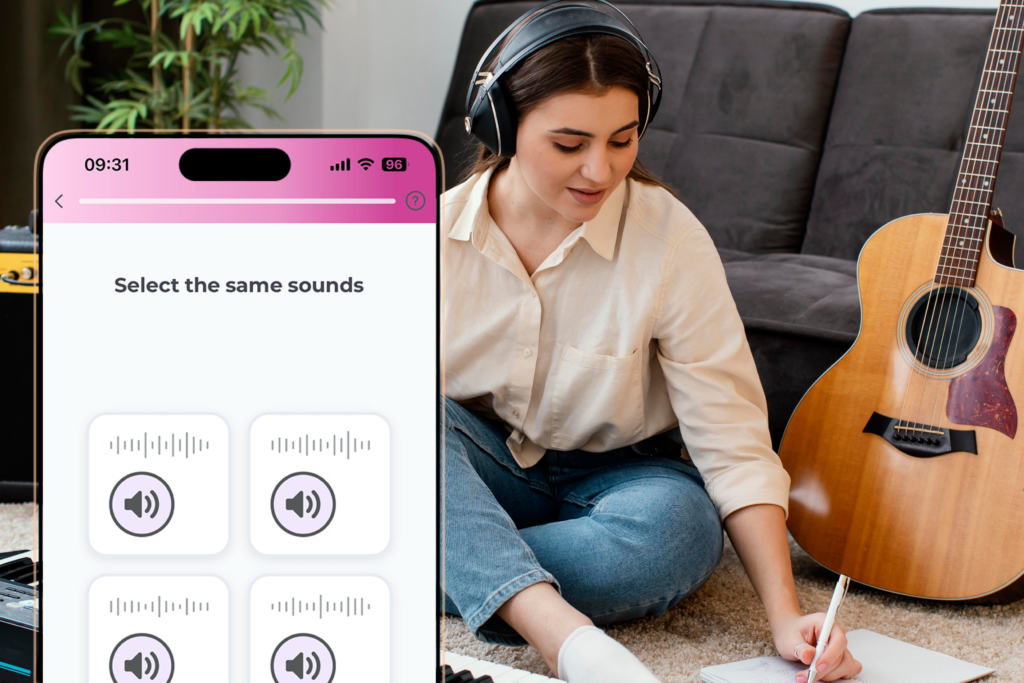
For those who once left music but dream of returning to it without fear and stress, there was created a club: “Dropped in Childhood.” To learn easily, without any feeling of guilt and anxiety over inevitable failures — that is the main working principle. There is no place for strict demands and harsh deadlines. Above all: the pleasure of the process (interactive challenges, supportive community).
What precisely sets the approach of the club apart?
- No pressure, no exams, strict discipline, or competition exists. Training based on internal motivation, not on external evaluations.
- Emotional support: teachers pay great attention to the fears and doubts of students, overcoming obstacles without self-violence.
- Playful methods: learning is delivered through games, improvisations, and creative tasks, thereby making the class interesting and inspiring.
- Communication and experience exchange: not only lessons, but the club also provides a place of interaction for like-minded people where the atmosphere is filled with mutual support and confidence.
One does not just study the notes or chords but rediscovers the joy of music, free from the burden of all past disappointments. Every small step is valued in the club, thus turning the whole learning process into a source of joy and harmony.
Characteristics Of Talented Methods For Adult Learners — Learning Easily And Effectively
The Talented techniques are orientated for adults returning to music after a break and are based on the indications of motivation and features of perception in mature age (Talented app, guided lessons, community support).
Main characteristics of the Talented methods:
- Step-by-step immersion: information presented gradually from simple to complex, at an individual pace considering level and experience for minimum stress and knowledge gaps.
- Practice over theory: The great amount of time taken with the instrument, rather than with the study of classical rules, accelerates skill breakthroughs.
- Variety of formats: there are video and audio lessons, live sessions, or interactive tasks that allow choosing the most convenient method of learning.
- Personalized plan: attuned to personal goals, be it playing for the soul, playing in public, or creating original compositions; each gets a program.
- Feedback and adjustment: constant analysis of progress allows for the ability to promptly adapt plans and avoid stagnation.
- Psychological support: these methods address emotional states and help with overcoming insecurity, fears, and perfectionism.
Because the adult learner possesses different thinking and motivation, Talented understands that respect for personal experience and capabilities must underpin the education here. Not a race for the result is this, but a path where pleasure and effectiveness go hand in hand. In the end, going back to music is not a burden anymore; it’s a source of inspiration and personal growth.
Practical Advice For Those Who Would Like To Start Making Music Anew
A step into the unknown is returning to music, especially if experience has remained in far childhood. But even the longest pause does not prevent one from stepping forward and taking up an instrument anew. Here are some practical tips to make this path easier and more joyful (skill reacquisition, seamless reentry, adult education):
- Without hurry. It’s not necessary to set high goals in front of yourself at once. Start with simple melodies and exercises; allow some time for getting used to the new-old activity.
- Practice schedule. Much more valuable than the amount of practice is regularity. Even 15–20 minutes a day to music is preferable over an hour once a week.
- Positive mindset. Fears from mistakes and imperfections do not, because natural they are at each stage of learning. The main thing is to enjoy the process.
- Find the right teacher. Look for instructors and programs that understand your story and support your own pace (guided feedback, adaptive lessons).
- Using up-to-date technologies. Apps, online lessons, and video materials may significantly ease the process and make learning more flexible.
- Make musical friends. Inspiration and motivation at a high level does communication with like-minded people keep.
It means starting anew — to give yourself a chance to discover music from a new side and feel the joy of creativity anew, without experiencing pressure or fear of failure.
Success Stories — How Club Members Changed Their Lives Through Music
More inspiring than words will ever be are real examples, especially of those who went through doubts, insecurity, and fear to rediscover sound and rhythm (user testimonials, confidence building).
- Ivan, 28, since childhood wanted to play the guitar; his family never supported it. Through the club, returning to the instrument allowed this wish to finally come true, and today Ivan performs at small venues and runs a music blog.
- Maria, 40, after a long break, vocal tried she decided. Gradually stage fright went away, confidence and self-expression grew. Maria says the pressure-free atmosphere helped her reveal her voice.
These stories show: not only a skill music is, but a journey changing the inner world. Conditions where every moment of learning is filled with joy and support do the club “quit in childhood” and Talented create, helping members gain confidence and inspiration. To start over — to let music become part of a new life story means.
Choosing An Instrument And Learning Style
For those who return to music after a long break, it is an essential step. Understanding that each musical journey is unique, we try in the app to help one find as precisely as possible the approach that will inspire you without causing unnecessary stress (guided lessons, community support, supportive community).
How to choose an instrument then? Three central questions:
- What moves you most? The sound of piano, warmth of guitar, or maybe the rhythm of drums? Practicing a favorite timbre keeps you motivated and encourages enjoyment in practicing.
- How much time and effort are you ready to devote to practice? Keyboard and string instruments require more daily training, while for those who have a tight schedule, there are wind or percussion options that may be less demanding.
- What kind of music inspires you? Whether it’s classical, jazz, rock, or electronic, every direction requires its own approach to the instrument and learning process. We consider these features in order to choose the most appropriate direction.
No less important is the choice of learning style. Many fear that returning to music will mean boring lessons and strict teachers. It is important to find a format that will combine the following:
- Individual approach: a program tailored to your rhythm and level, without pressure or any kind of race (personalized pace).
- Interactivity: learning through games, exercises, and creative tasks enables the skill acquisition in an easy and pleasant way (interactive challenges).
- Schedule flexibility: the chance to practice at convenient times and pace, especially for adults.
The algorithms which operate in our app analyze your preferences and show not just a set of exercises but a personal path to your musical dream. This significantly raises the chances of not giving up and making music a part of your life. Finally: do not be afraid to experiment. Often, the most unexpected instrument and style open completely new horizons and inspiration. Listen to yourself, and the enjoyment of the process is the most important thing.
The Role Of Like-Minded Support In The Musical Journey After A Break
Coming back into music after a long break, the process is not only technical and theoretical but also deeply emotional in its nature. Feeling like part of a community where support is given, not judgment, is very important. The foundation of success becomes this support in the club “quit in childhood” (community support, learner engagement).
So valuable it is — why?
- Overcoming fear and doubts. If there are people with similar experience around, then the fear of seeming incapable fades into the background.
- Motivation and inspiration. The meetings, concerts, and joint sessions help fill them with energy and move them forward.
- Feedback and the exchange of experience. Communication with other participants enables learning from mistakes and finding new ways of growth.
Ultimately, not a group of students is the collective, but a community in which each step on the musical path becomes joy, and not an obligation. The study of sounds made alive and inspiring is precisely by like-minded people.
Support And Development — What Awaits Club Members In The Future
Not limited exclusively to lessons is the club “quit in childhood.” This is the place where love for music grows and changes. To plan one’s development here means to get much more than just knowledge of notes (progress tracking, practice motivation).
What does the club offer next?
- Regular master classes and creative meetings — an exchange of ideas, immersion in new styles.
- Concert programs and creative projects — an opportunity to show one’s skills and feel the stage.
- Individual development plans — assistance in choosing direction and instrument, taking into account personal goals and pace.
- Online support and recommendations — so music is always at hand, even outside lessons.
- Continuous communication and consultations with mentors — help in difficult moments and useful advice.
Ultimately, a continuous forward movement is the way for a musician in the club when each participant feels confident and gets inspiration for new achievements. The music begins to sound completely new: it opens up horizons and it gives joy at every stage of learning.